The forest
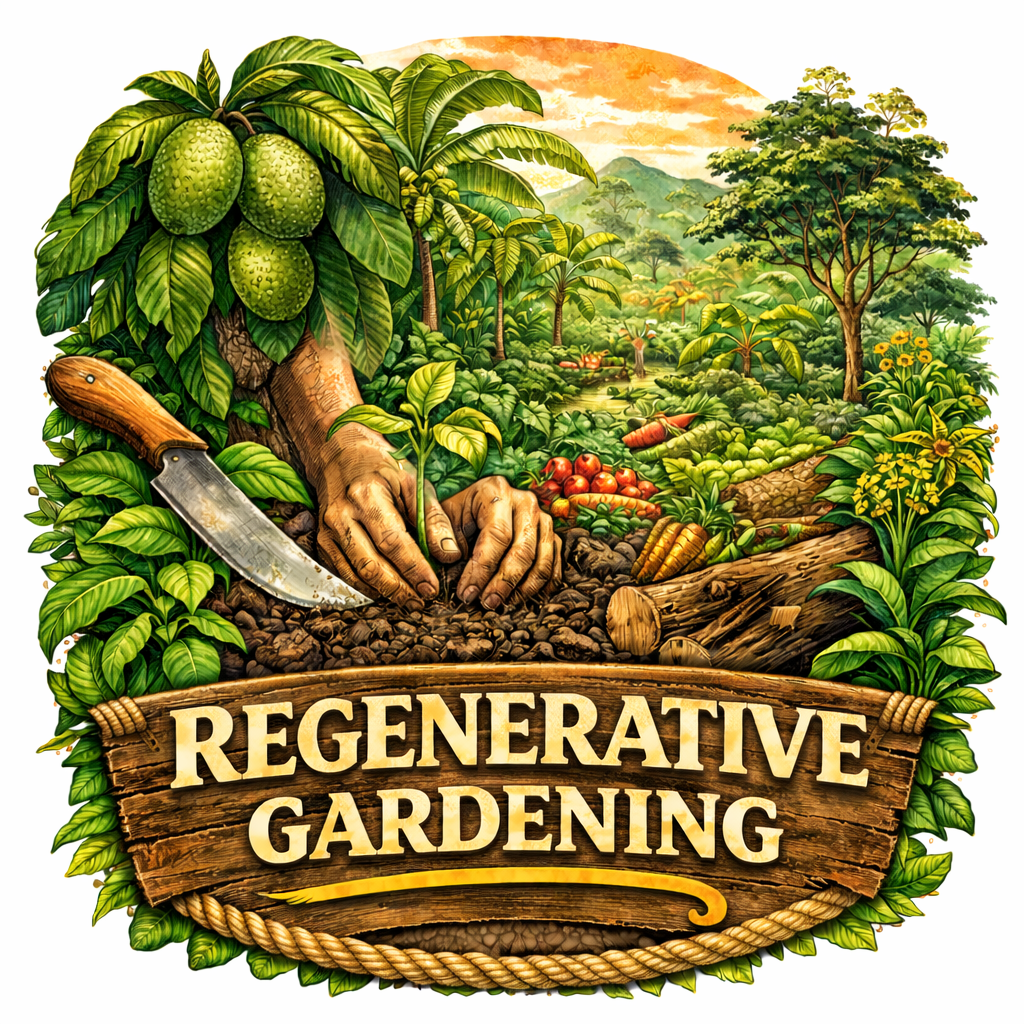
Calamansi, coconut, banana, papaya, jackfruit, rambutan, mango, guava, coffee. Fruit trees are the slowest and most patient investment on the farm. They take years to produce — so the children who will harvest them may be long after the people who planted them are gone. Let us teach you. You can have both the crops and the trees now, all together in harmony.
Resilience from the ground up
Raised beds. Soil built from the farm's own compost — dark, rich, full of earthworm activity. No synthetic fertiliser. No chemical pesticide. What the land needs, the land provides.
What we grow
Everyday Bicolano vegetables: kangkong, sitaw, ampalaya, talong, pechay, kamote, gabi, kalabasa, tomatoes, onions, garlic, sili. All being protected by our giant hoop houses. This is food grown for families. In the forest: calamansi, coconut, banana, papaya, jackfruit, rambutan and mango — seasonal abundance for the market and the café.
Water
The creek that runs through the land is the primary water source. Redundant water system designed from day one — no single point of failure. The garden does not die if one pump fails or one pipe breaks.
Rotational grazing — animals repairing the land
The animals are not separate from the garden. They are part of it. Rotational grazing is how we build pasture, repair soil, and turn degraded coconut land into productive green ground.
Kambing go in first. They clear the brush, eat the weeds, strip back the undergrowth that chokes coconut plantations. Baboy follow — they root up compacted ground, break weed cycles, and turn over the topsoil. Baka come next on the cleared paddocks, grazing the fresh growth and leaving manure behind. Manok follow baka — they scratch through the manure, spread it evenly, break parasite cycles, and eat the grubs.
Each animal prepares the ground for the next. After one full rotation, the soil is looser, richer, and covered in new growth. After a year of rotations, what was bare coconut land with nothing underneath is green pasture with deep topsoil.
We can help you fix your land
If you have coconut land sitting empty underneath — bare dirt, weeds, nothing growing — we can help you turn it into productive pasture. Most coconut land in Bicol is underused. The trees produce above, but the ground below produces nothing. That is wasted land.
With the right grazing rotation, composting, and ground cover planting, that same land can carry livestock, grow vegetables between the trees, and build soil instead of losing it. Come talk to us. Book a consult. Walk us through your land and we will tell you what is possible.
Regenerative principles
Companion planting. Crop rotation. No bare soil. Every space producing something. Pest control through biodiversity — encouraging the insects and birds that eat the insects that damage crops. Thick mulch from the compost system around every tree. The soil beneath is alive — earthworms, microbes, fungi. The deeper the soil health, the more the land produces. Working with nature, not against it.
Community participation
The gardens and the food forest are the first classroom. Adults, children, whole families learn here — planting seedlings, composting, watering, harvesting. Not as a school project. As real work that produces real food that feeds real people. That is how knowledge stays alive. Feel free to book a tour — you might get the bug and come to some of our training courses.